Our UEA Cultural Heritage and Museum Studies placement Student, Jonathan Williams, met with Lucy Gurney from Racing Together to discuss a collaborative loneliness and isolation pilot that Jonathan has been helping with as part of British Horseracing’s social impact strategy.
Museum shares heritage, objects and joy to support Horseracing’s social impact strategy
By Jonathan Williams
The National Horseracing Museum is partnering with Racing Together working on their Racing Foundation, Horserace Betting Levy Board, Racing Post and Godolphin-funded Loneliness pilot, part of the British Horseracing Authority’s Social Impact Strategy work. The Museum’s role is to share the story of local racetracks with people who may not be able to experience the energy and excitement of a day at the racecourse. Through working with charities like Mind and Age UK, Racing Together hopes to have a real social impact, tackling loneliness in our communities and addressing the work and skills crisis that young people are facing today.
Across six sessions held at six racecourses around the country, the pilot is helping people to see their local community in a new light, using the racecourse as a gateway to social connection. I had the chance to sit down with Racing Together’s Community Engagement Manager, Lucy, to discuss this new community driven approach for Racing Together and how the museum plays a supporting role.
Horseracing has always been first and foremost a social sport, designed to bring people together around a shared love of an animal. From the excitement of race day to the quieter moments behind the scenes, it has long created spaces where people can connect, share experiences, and feel part of something larger than themselves.
Jonathan Q: How does the museum fit into the loneliness pilot, in terms of impact and are you working with any other museums at the moment?
Lucy A: So just the horseracing museum at the moment, and in terms of how NHRM helps, it has been really great providing bags with objects and materials for people to look at. It’s mostly elderly people we work with in the loneliness pilot specifically, so it’s really great when sometimes they see a racecard or something and they remember that race day. We also provide quizzes and conversation starters that we’ve worked with the museum on to help provide the best possible environment for social connection at our events.
In the photos you’ll see from Newcastle racecourse, Age UK bring their service users to the racecourse, sometimes for a coffee morning and other times for raceday events. We use the museum artefacts during these events as an ice breaker.
During my placement, I have been helping to put together some of the loans bags, for Fontwell Park, Brighton and Salisbury and reflecting on the objects being provided and how they can help spark conversation in communities miles away.
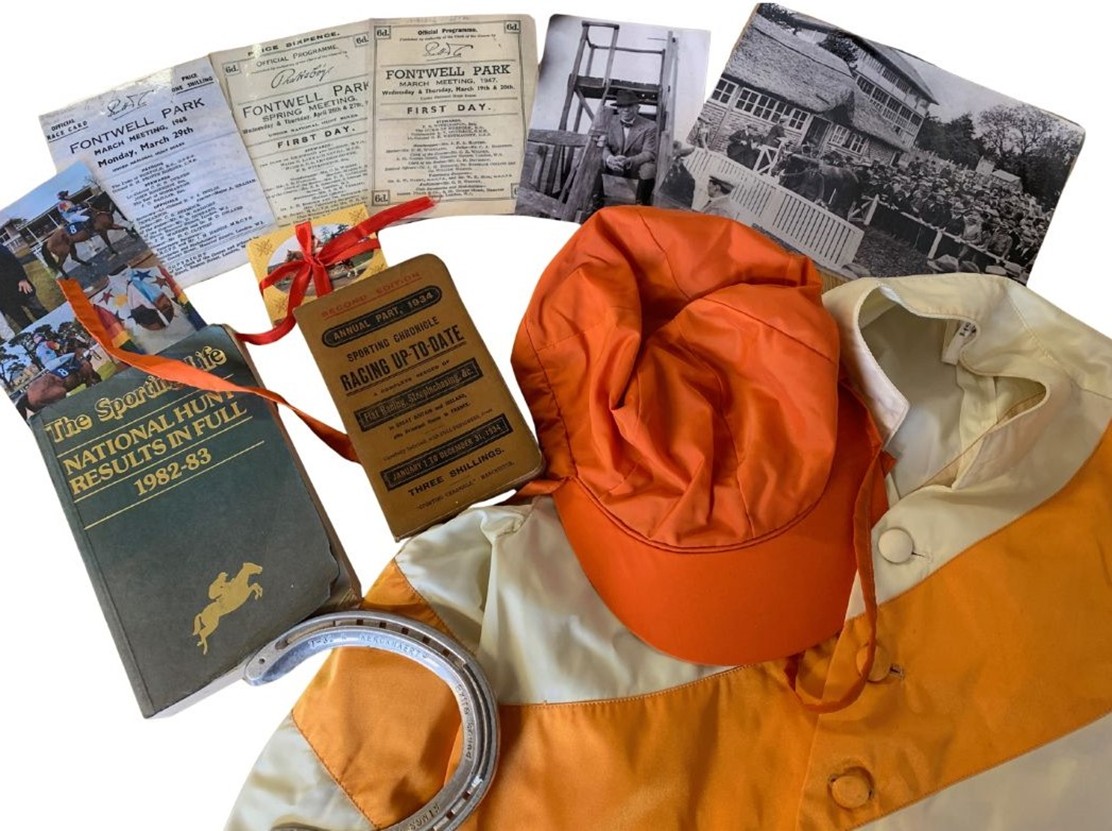
Maybe less common today, but still a familiar sight at any racecourse, the racecard remains a key part of the raceday experience. Packed with information, these small cards are a great insight into past performances. For many of the loneliness pilot programme participants, they also hold personal stories. Memories of days spent at the races, favourite horses and most importantly for the Loneliness Pilot, conversation pieces.
The racecard isn’t just an interesting piece of racing history, it’s also a prompt for reminiscence. It gives attendees something tangible to connect with, encouraging them to share their own experiences and memories. Helping to bring people together who might otherwise feel disconnected from their communities.
But what about younger participants? Within the Loneliness Pilot, what can a museum offer to those who haven’t yet formed a connection with their local racecourse and racing heritage, or who may have grown up in more urban environments, further removed from the sport?
For younger attendees, the museum provides more immediate, visually engaging objects that capture attention and can be held by attendees. Bright, colourful racing silks, iconic to the sport offer a more human introduction to horseracing, while the opportunity to hold a real horseshoe creates a hands-on connection to the horse, rarely experienced within traditional education.
These objects don’t rely on memory in the same way as racecards might. Instead, they act as entry points inviting questions and encouraging interaction. By helping to build a new sense of familiarity with the sport, the museum is supporting Racing Together’s work increating inclusive, community focused spaces for young people, where they can learn about the industry and develop cross-industry skills.
Racing Together’s Pilot work sits within a much wider Social Impact Strategy led by the British Horseracing Authority, which is committed to creating positive change both within the sport and in the communities around it. Within this broader vision, initiatives like the Loneliness Pilot play a key role in bringing opportunities for communication and learning to the everyday members of our communities. So, what is Racing Together’s role within the wider social impact strategy? And, by extension, how does the museum contribute to that mission?
Jonathan Q: How does the Loneliness Pilot and Racing Together fit into the greater social impact strategy for the Horseracing Authority?
Lucy A: It’s very much early days for the Loneliness Pilot so we won’t really see the effects until later this year, but in terms of goals we’re looking to both increase our current community connections while also creating new ones. But at its core our main goal is to be of value to our communities and really affect some of the more prevalent social issues seen today. The BHA Social Impact Strategy was announced in October 2025 and is still being implemented through youth and school engagement programmes, social value research and more.
We are extremely grateful to the museum for providing artefacts on loan for the loneliness pilot, it is fantastic to see people’s faces light up and hear the open up when looking through the items about their memories or first impressions. It’s a partnership we’re really proud of an we hope to continue as the programme grows and develops.
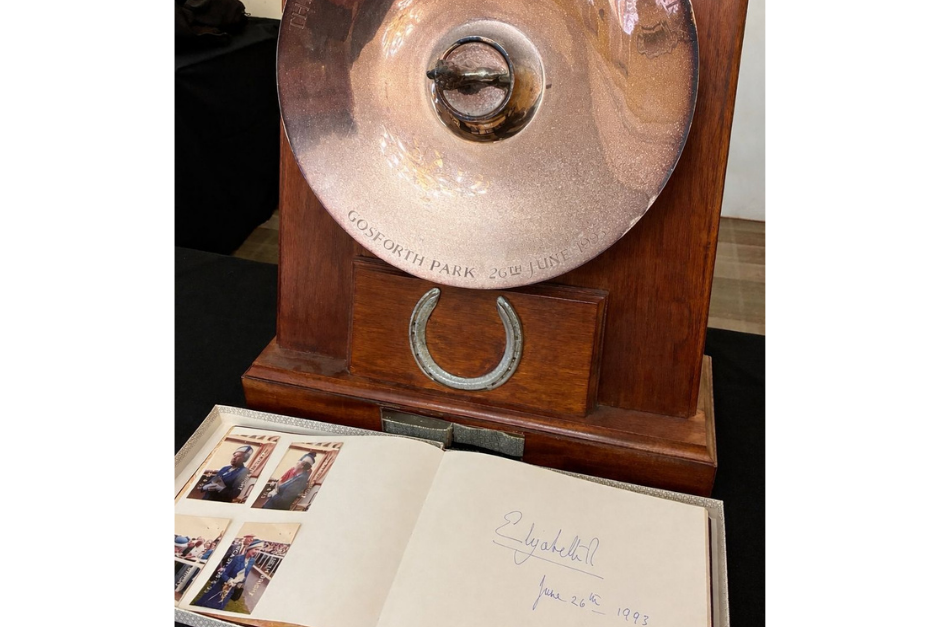
Lucy’s response to this question underscores the developmental nature of the Loneliness Pilot, emphasising that its long term impact is still to be fully realised. However, her focus on expanding and strengthening community engagement highlights how Racing Together aligns closely with the broader social impact ambitions of the British Horseracing Authority. The initiative is not only about addressing immediate societal issues such as loneliness, but also about building sustainable, inclusive communities through connection and shared experience.
Looking back on my placement and what I have learnt about this project, it’s clear that the museum’s role in the loneliness pilot goes beyond simply showcasing the sport’s history. The NHRM has shown how objects and their stories can help bring people together outside the museum. This approach can connect participants through shared memory, while also providing a hands-on experience through which people can reminisce and learn.
Learn more about the loneliness pilot here: Newcastle Racecourse host first community connection event aimed at combating loneliness – Racing Together